ECO - Vista.
Ex-Taman Topi Bogor.
Location: Bogor, Indonesia
Collaborators: Rezky Khrisrachmansyah, Sugiarto, Sahlan
Participated: 2010
Scope: Landscape Design Competition
Awarded Third Prize in the Bogor City Park (Ex-Taman Topi) Landscape Design Competition.
Eco - Vista
Reconnecting Urban Ecology, Heritage, and Public Life in Bogor
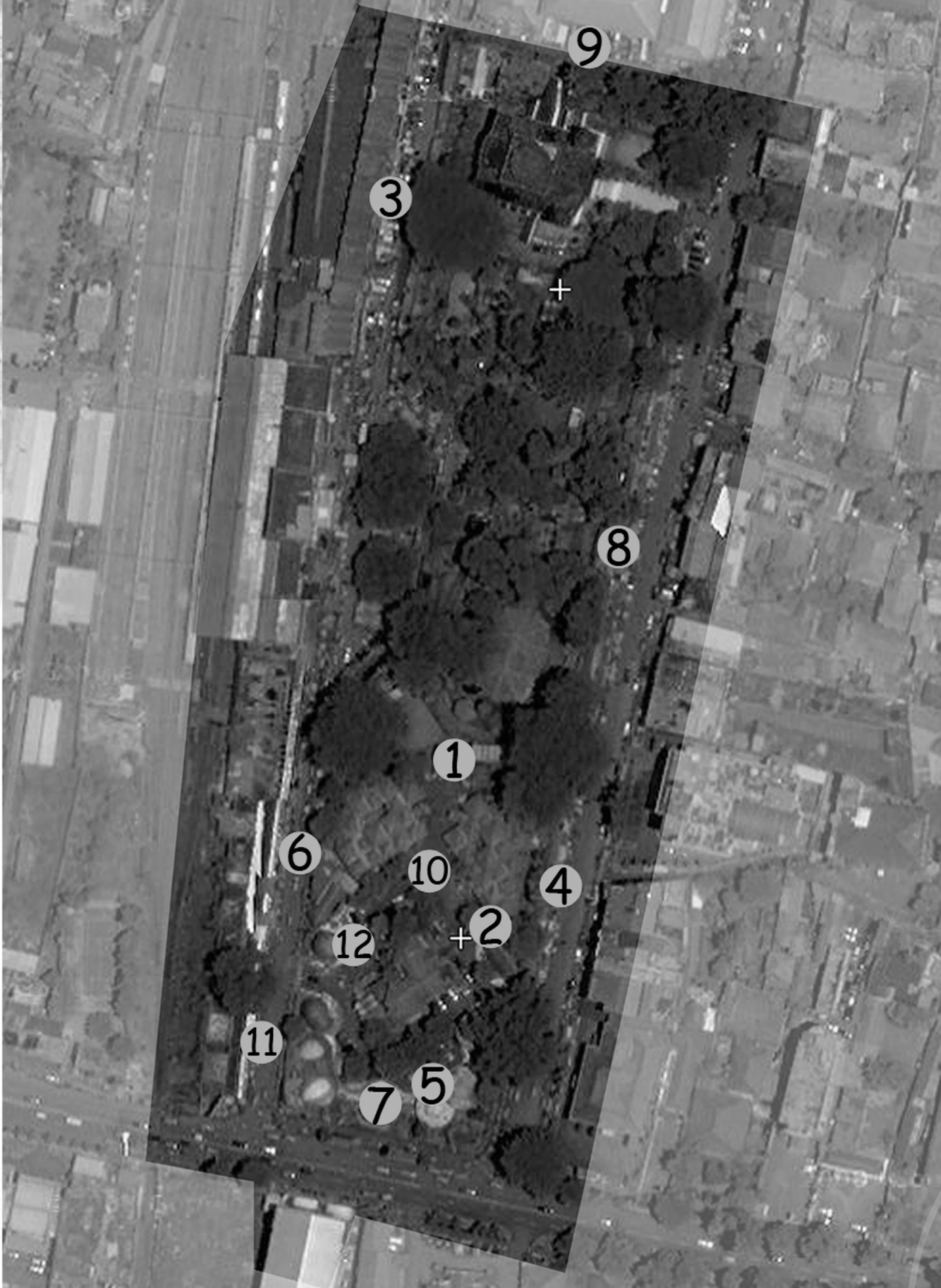
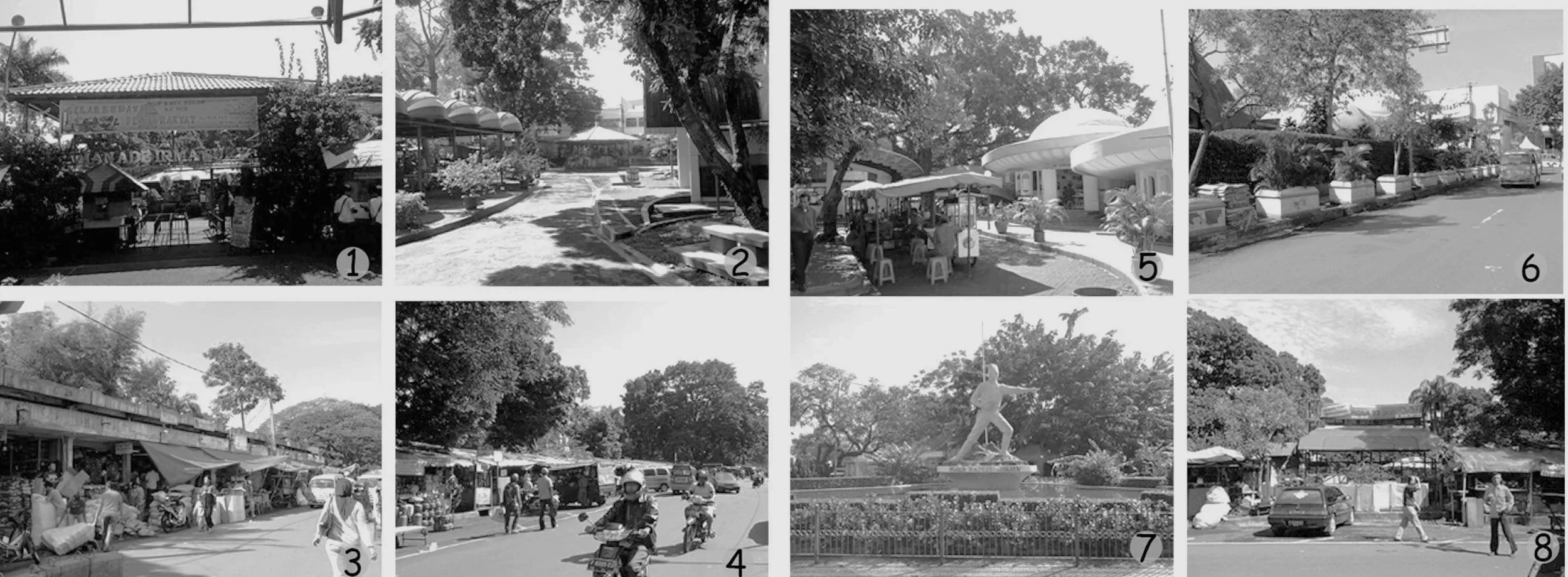
Located at the heart of Bogor City, Taman Topi occupies approximately 18,155 square meters and serves as a strategic urban open space adjacent to Bogor Railway Station and the historic city center. Despite its prime location, the existing park suffers from fragmented circulation, unmanaged commercial activities, traffic congestion, and a weak spatial identity. The site's proximity to major urban landmarks, including the Grand Mosque and surrounding heritage districts, presents a unique opportunity to transform the area into a vibrant ecological and civic destination.
Concept & Vision
The ECO-Vista proposal envisions the park as a green urban gateway that reconnects people, nature, and the historical character of Bogor. Inspired by the city's ecological structure, where the Botanical Garden acts as the green heart surrounded by a network of urban parks. The design positions Taman Topi as an integral component of Bogor's Green System. The project aims to strengthen environmental performance while creating a memorable public realm that supports social interaction, recreation, and urban mobility.
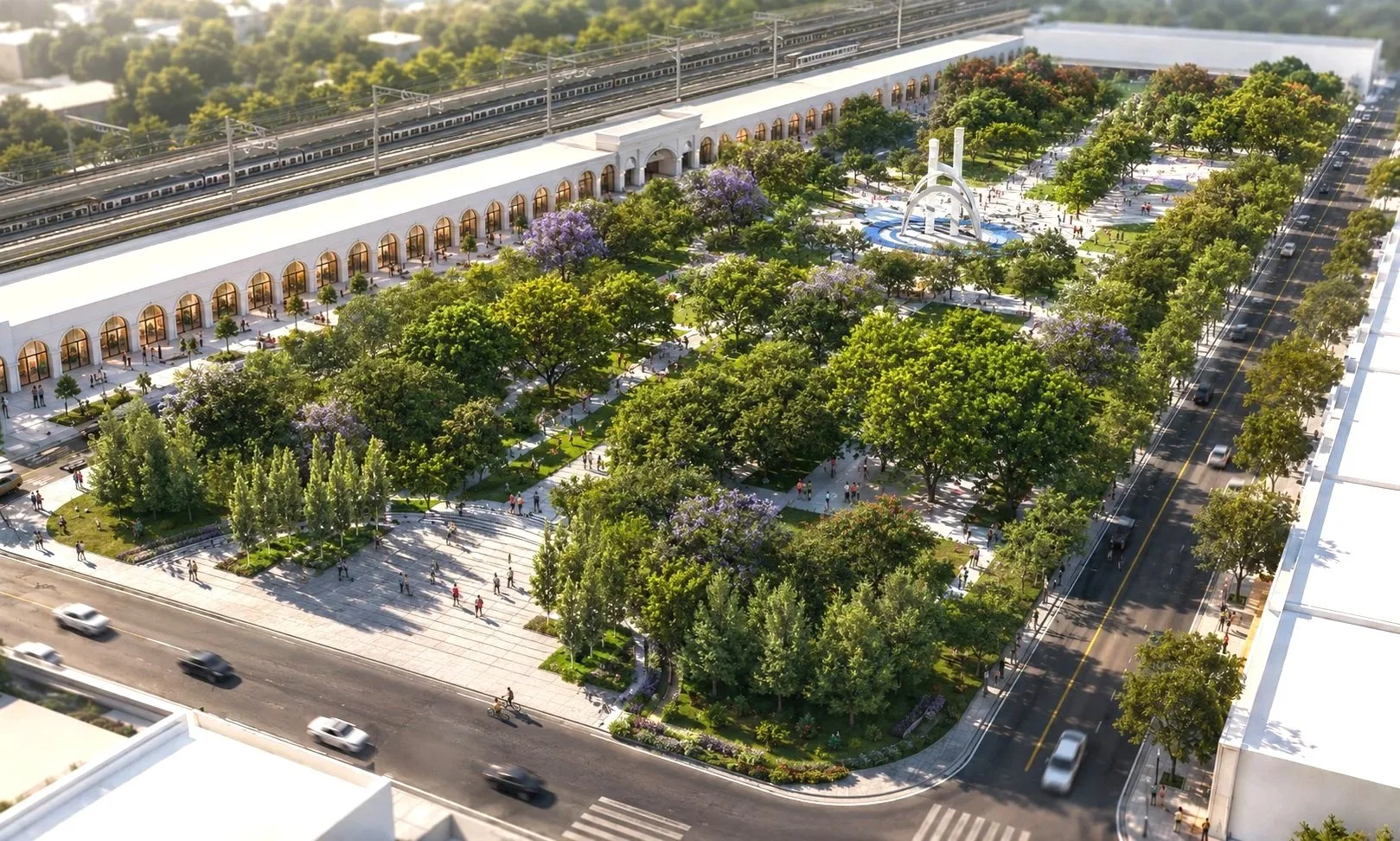
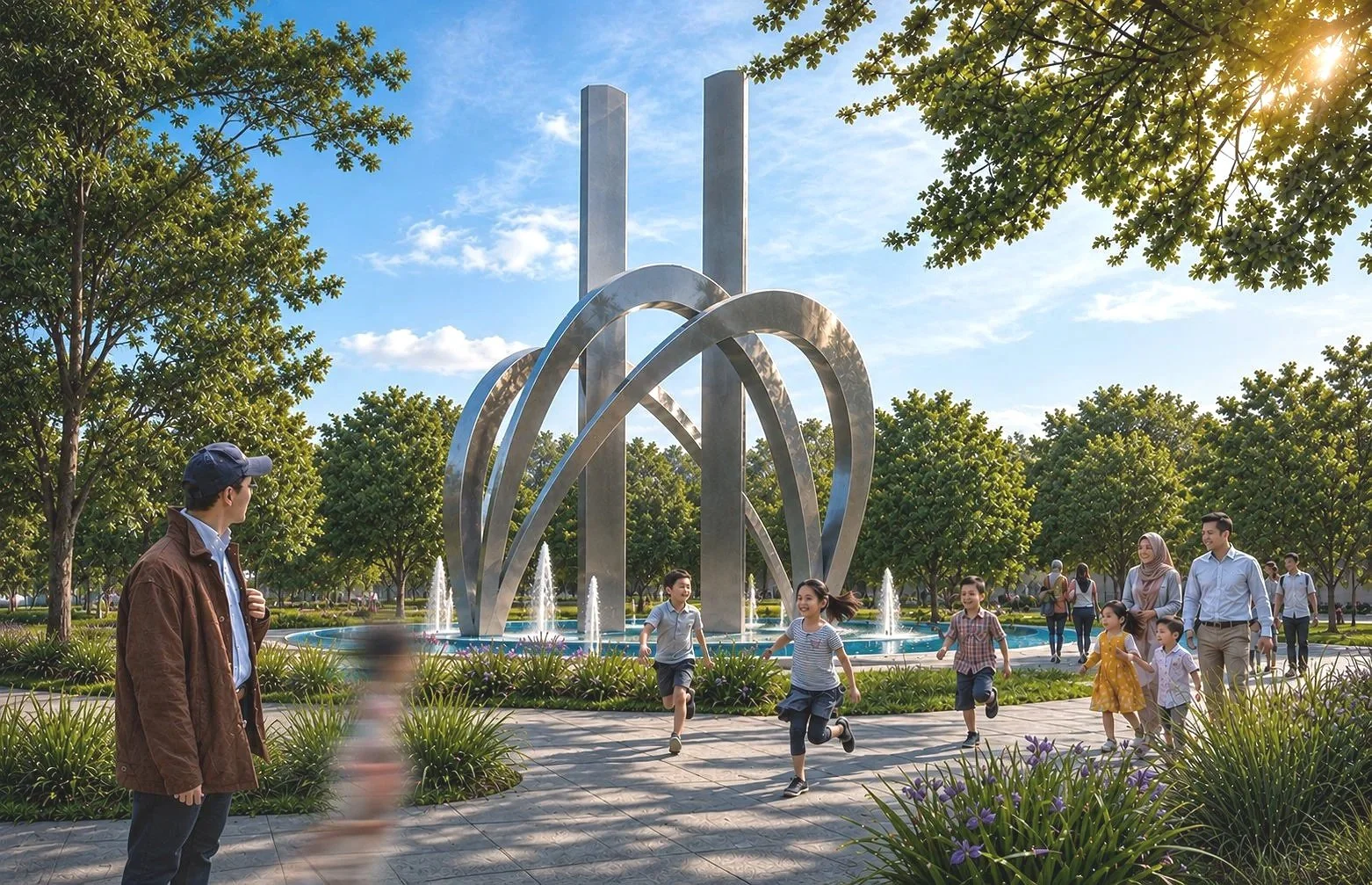
The design concept draws inspiration from the architectural language of Bogor Station, one of the city's most recognizable heritage structures. Architectural elements, forms, and proportions are reinterpreted into contemporary landscape features, creating a strong visual identity that reflects the site's context. A landmark sculpture is introduced as a symbolic gateway, establishing a visual corridor toward the Grand Mosque and reinforcing the site's role as an important urban node within the city center.
A clear and legible circulation system forms the backbone of ECO-Vista. A primary linear promenade connects key entrances, transit nodes, and surrounding destinations, while secondary pathways weave through shaded gardens and public spaces. This framework enhances pedestrian connectivity, strengthens visual corridors, and establishes the park as an important transition space between transportation infrastructure and urban life.
The park is organized into three complementary zones: a welcoming arrival zone, an active recreation zone, and a passive ecological zone. Together, these spaces accommodate a wide range of activities—from social gatherings and community events to relaxation, environmental education, and nature appreciation—creating a balanced and inclusive public landscape throughout the day.
Ecological sustainability drives the design through the integration of native planting, permeable surfaces, bio-retention systems, and rainwater infiltration strategies. By enhancing biodiversity, improving microclimatic comfort, and reducing stormwater runoff, the proposal transforms Taman Topi into a resilient green infrastructure. ECO-Vista ultimately redefines the site as a green urban connector that seamlessly integrates ecology, culture, and public life within the heart of Bogor.
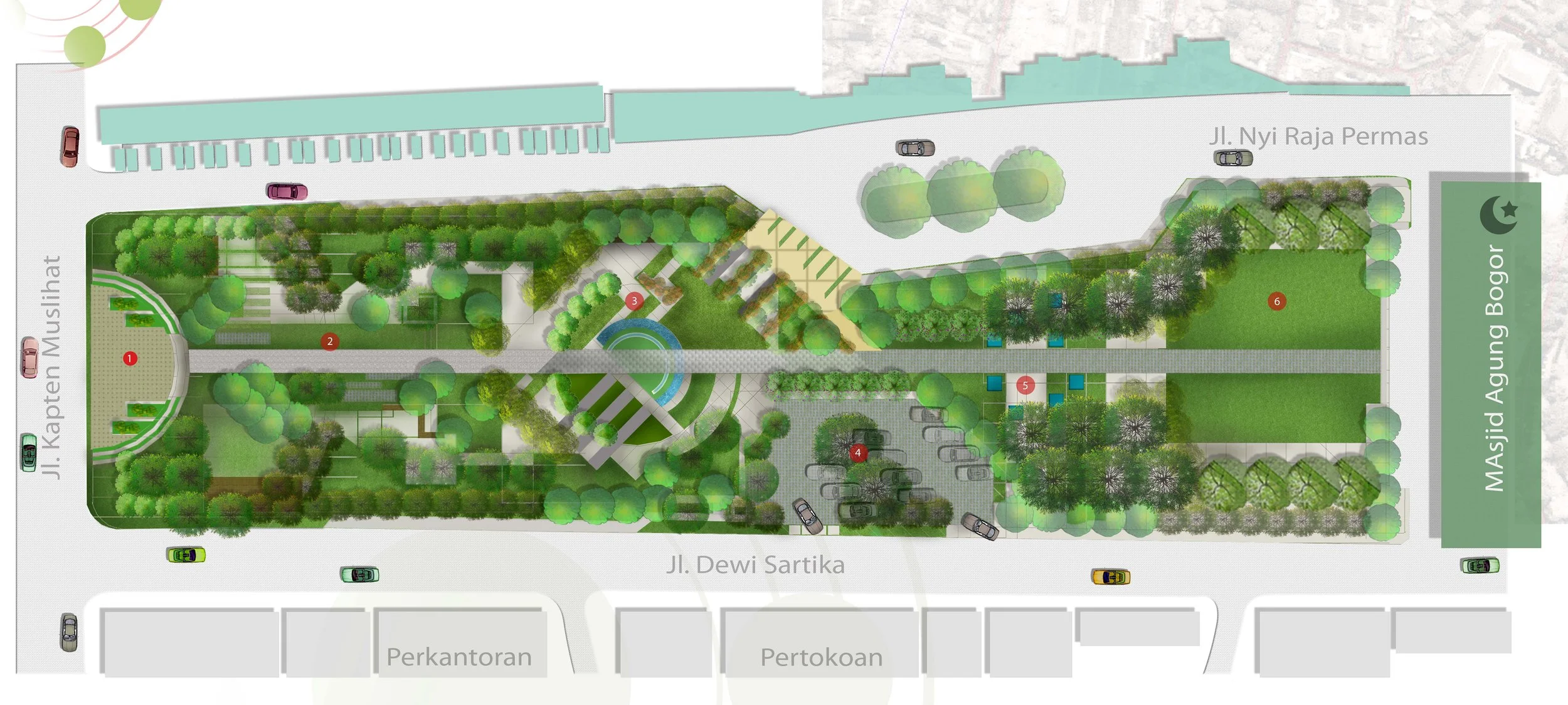
Masterplan
The masterplan is structured around a strong east–west green spine that establishes a direct visual and pedestrian connection between the city and Masjid Agung Bogor. This central promenade functions as the primary circulation corridor, linking key entrances, gathering spaces, and activity nodes while organizing the park into a coherent sequence of experiences. A landmark plaza and sculptural feature at the heart of the site act as both a social focal point and orientation element, reinforcing the site's identity and vista toward the mosque. The western portion accommodates active public spaces and event-oriented functions, while the eastern portion transitions into expansive lawns and ecological landscapes that provide flexibility, passive recreation, and environmental benefits. Dense perimeter planting buffers surrounding traffic and commercial activities, creating a comfortable microclimate, improving biodiversity, and strengthening the park's role as a green urban connector within Bogor's city center.