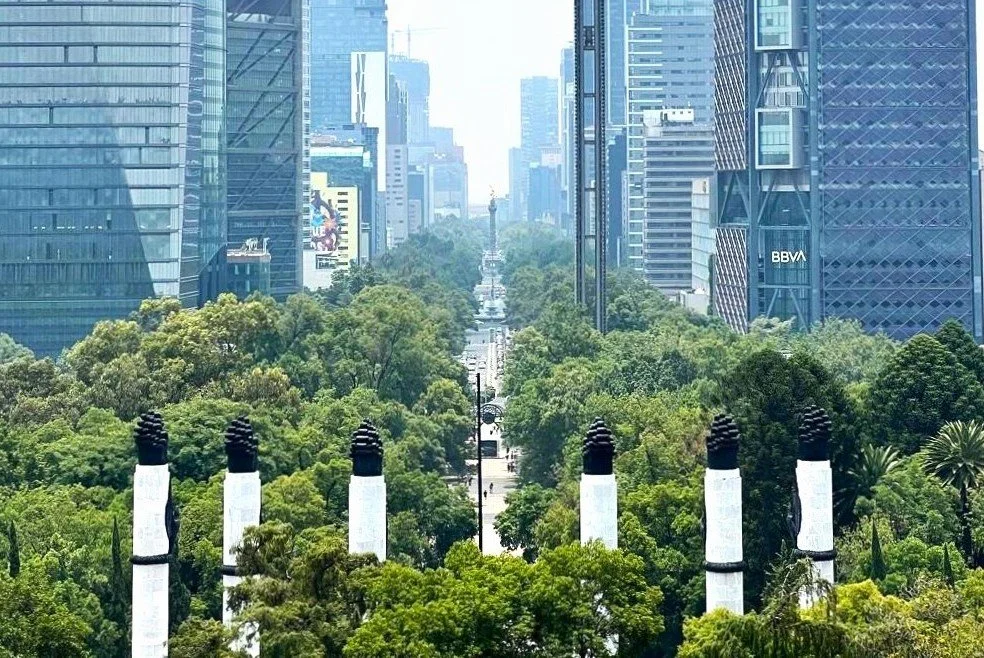
Walking the City’s Forest: What Chapultepec Taught Us About Public Landscape
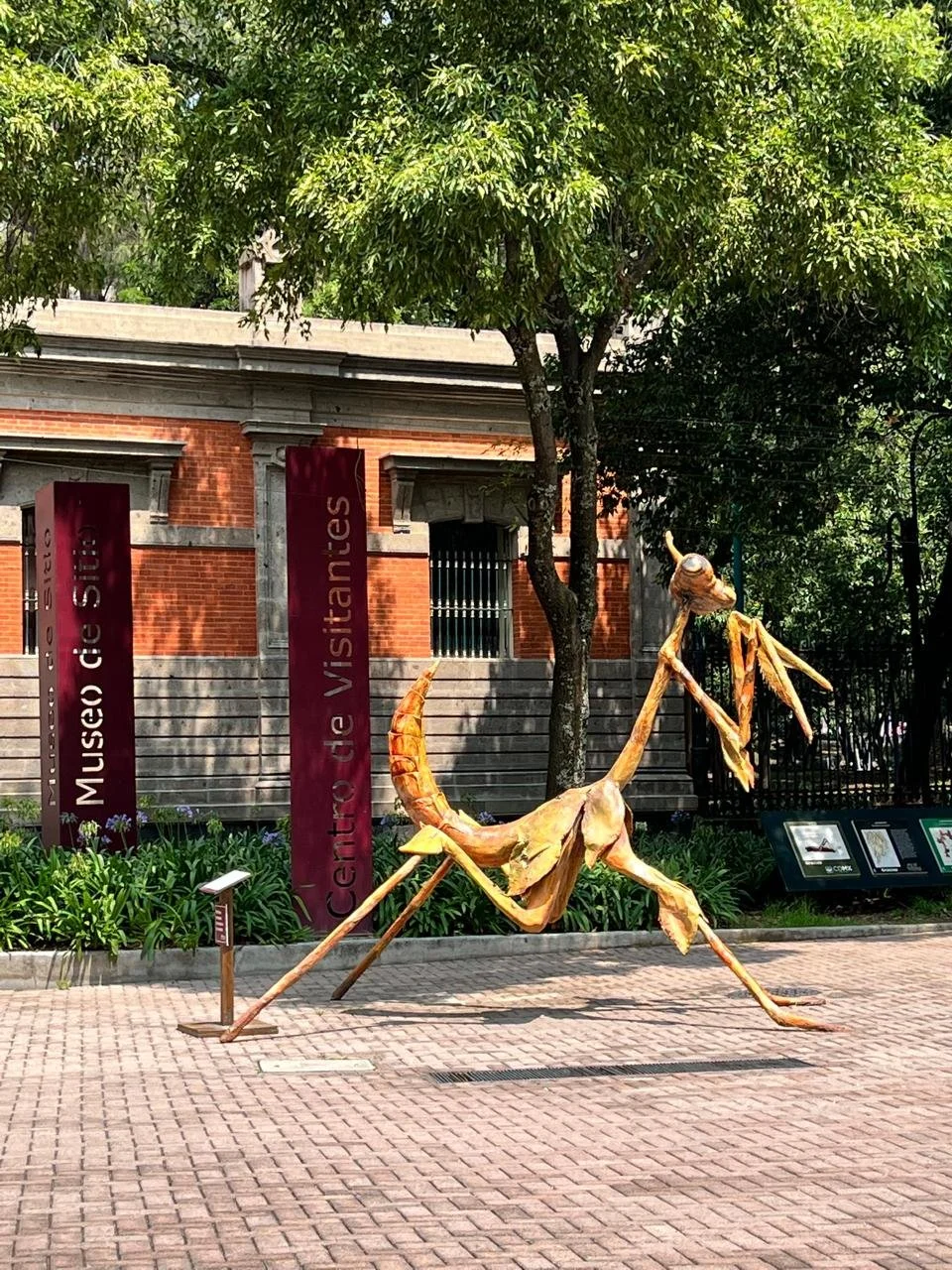
We spent time in Bosque de Chapultepec on July 2022, moving through it slowly and without a fixed route. Often described as the lungs of Mexico City, the park is vast, layered, and imperfect. What stood out was not any single landmark, but how deeply the landscape is embedded in everyday life.
This is not a park designed for spectacle. It is a working public space.
As we walked, we found ourselves unconsciously comparing Chapultepec to public parks in Indonesia. Many Indonesian parks are well maintained and visually ordered, but they often prioritize appearance over long-term use. Chapultepec takes the opposite approach. It privileges occupation, shade, and adaptability, even when that results in visible wear.
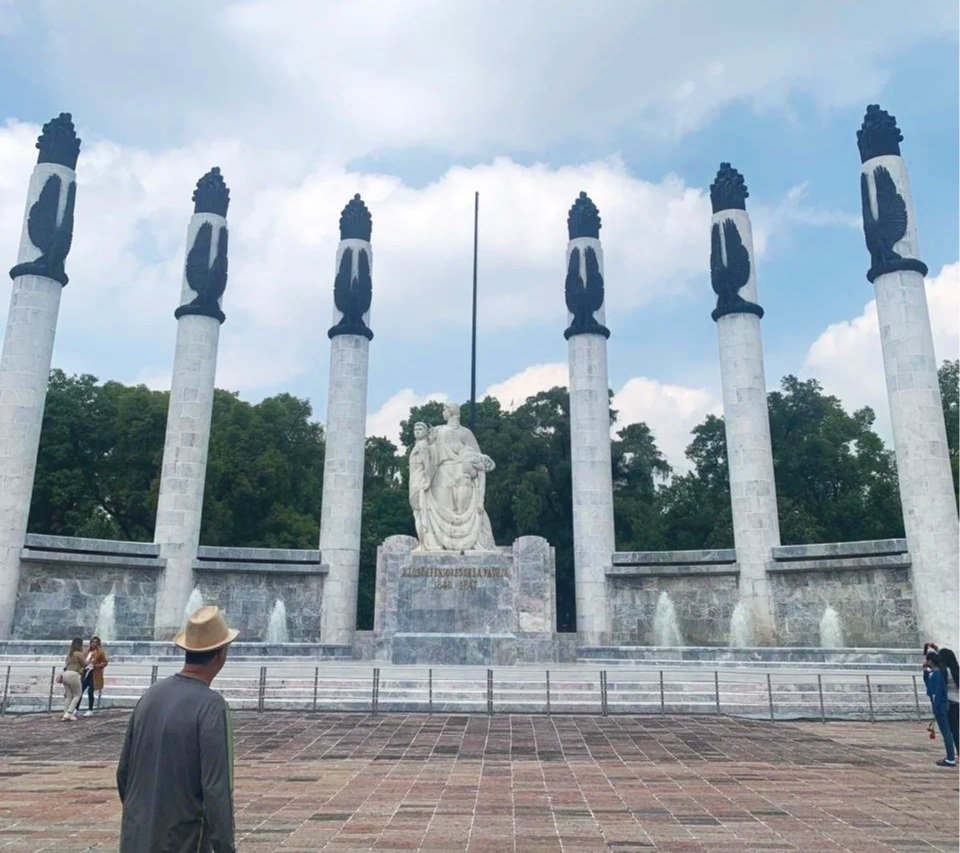
A Landscape That Accepts Many Uses
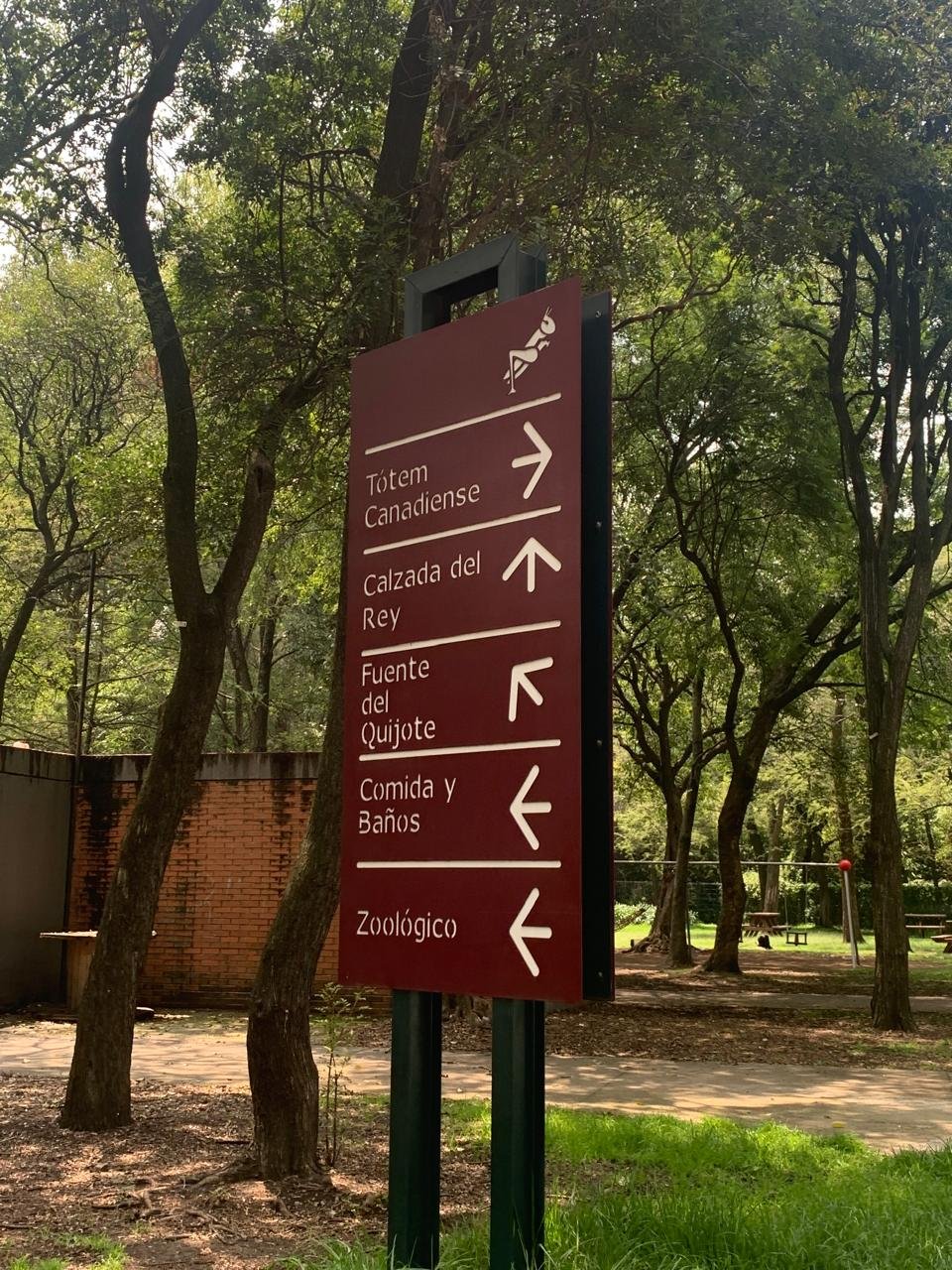
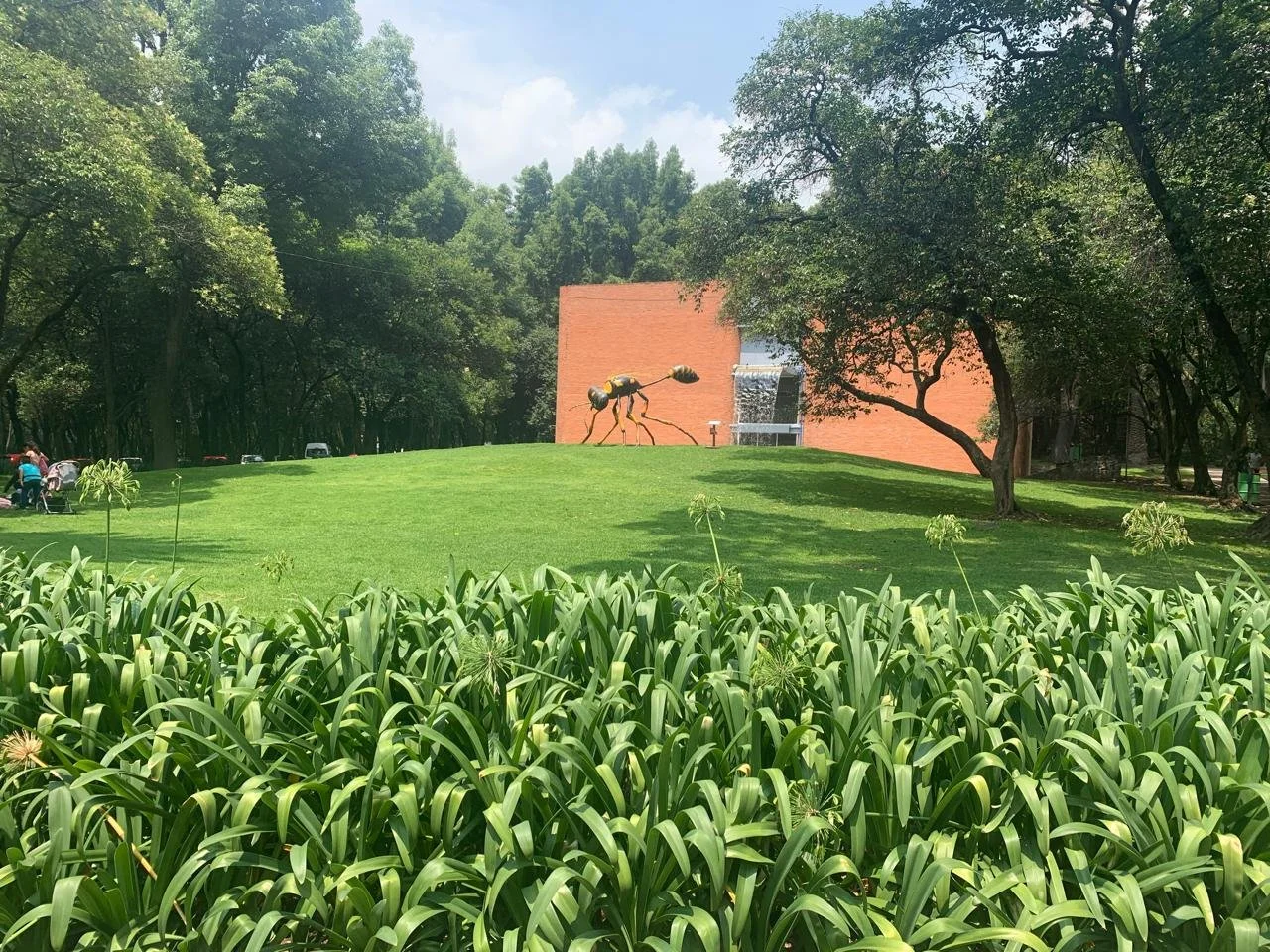
Chapultepec does not prescribe behavior. Joggers, families, vendors, school groups, and quiet walkers all occupy the same spaces without conflict. Lawns are sat on, not just looked at. Shade is claimed and shared. The park tolerates wear and adapts to it. In contrast, many parks in Indonesia rely on signage, fencing, or program separation to manage use. This reduces conflict, but it also limits spontaneity. Chapultepec shows that when space is generous and legible, people self-organize more effectively than rules can enforce.
Trees as Infrastructure
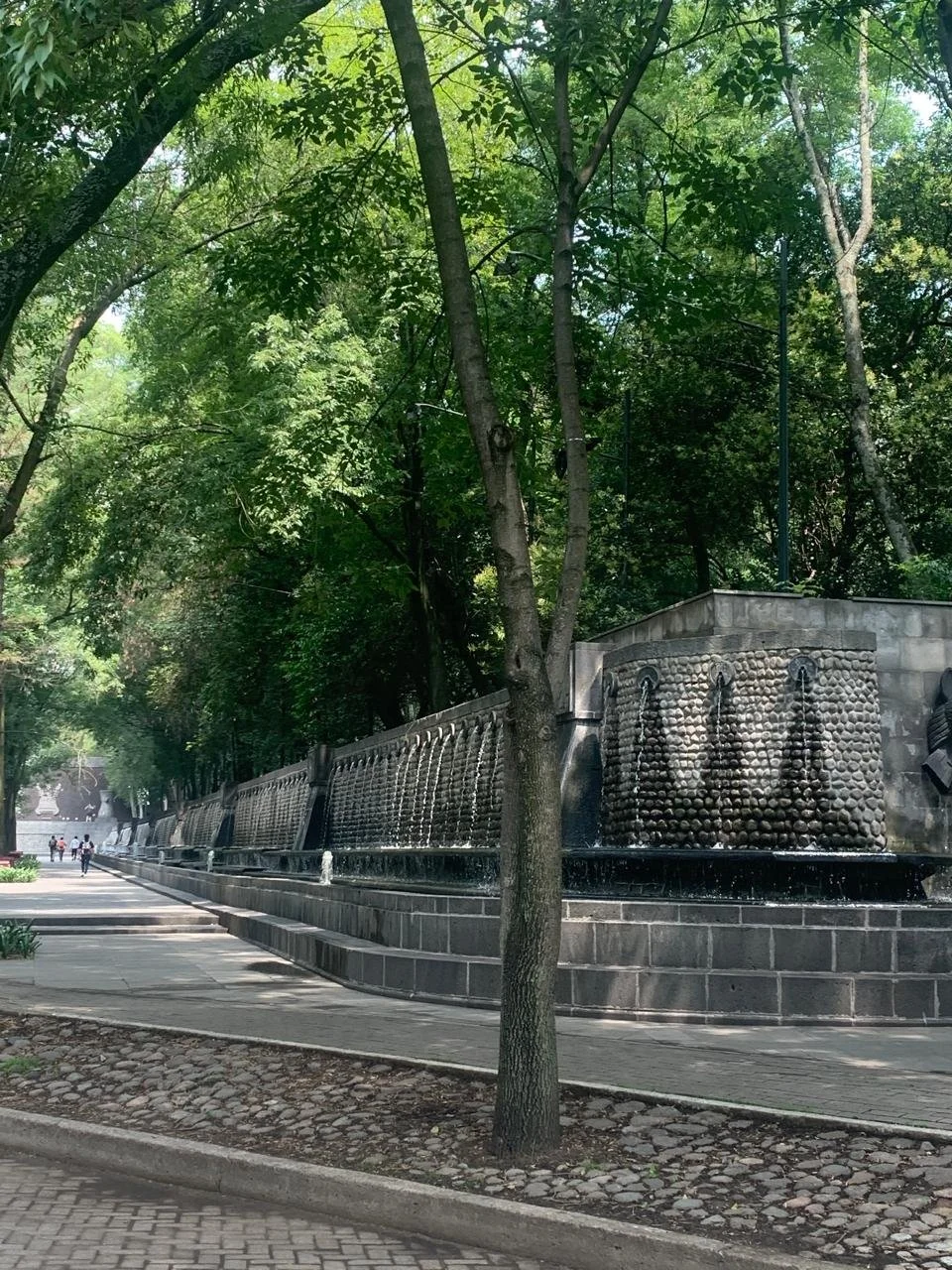
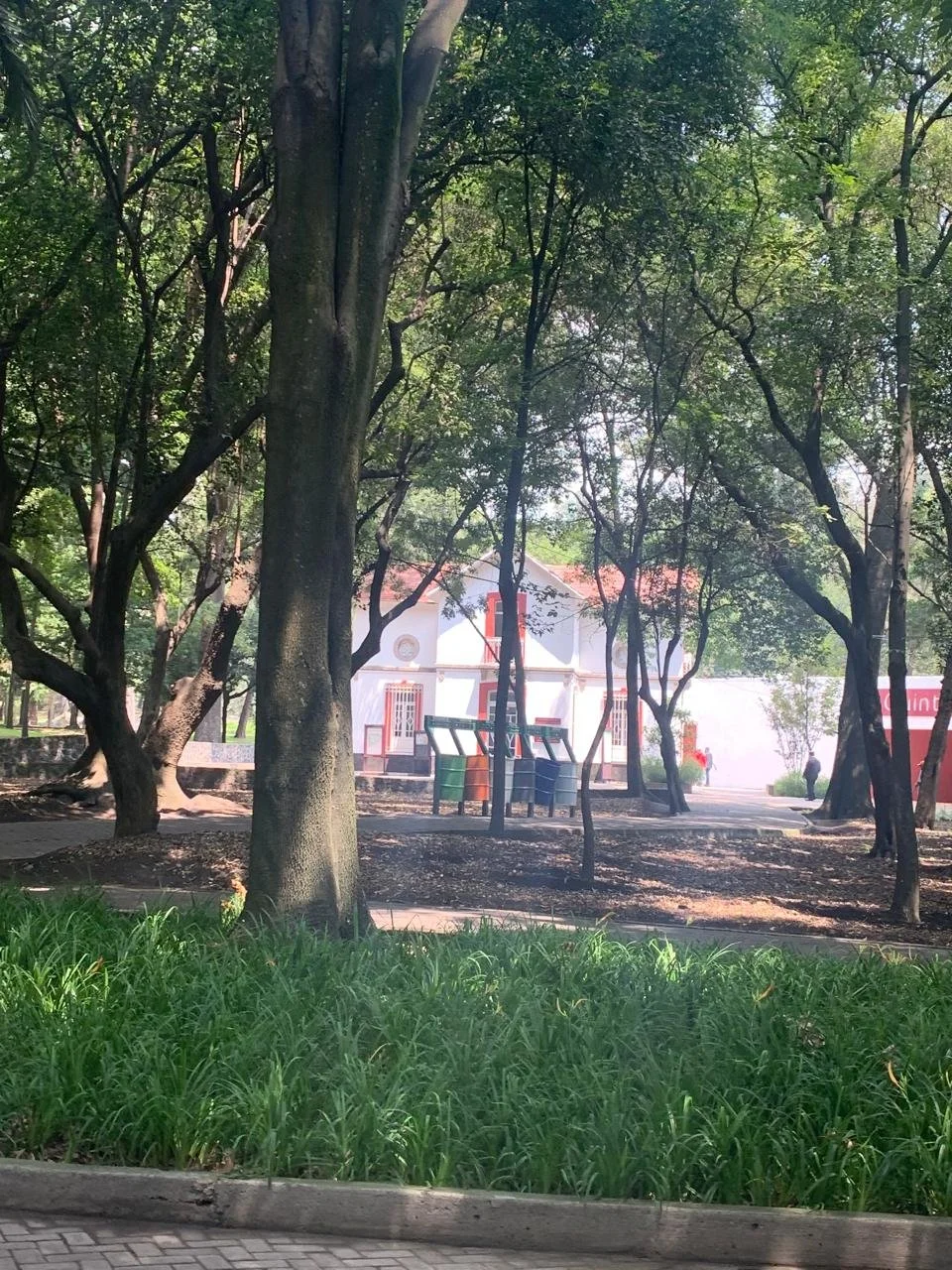
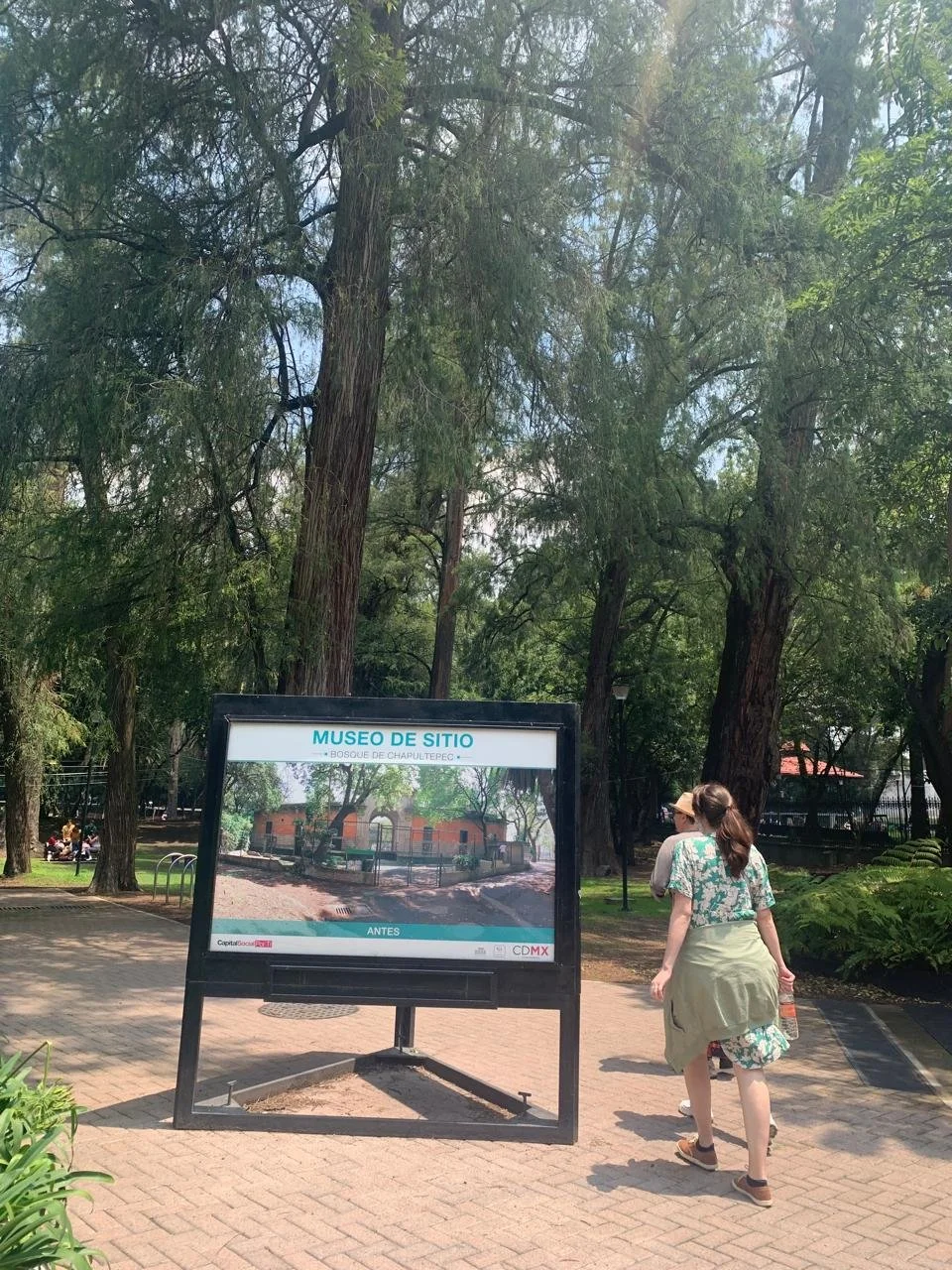
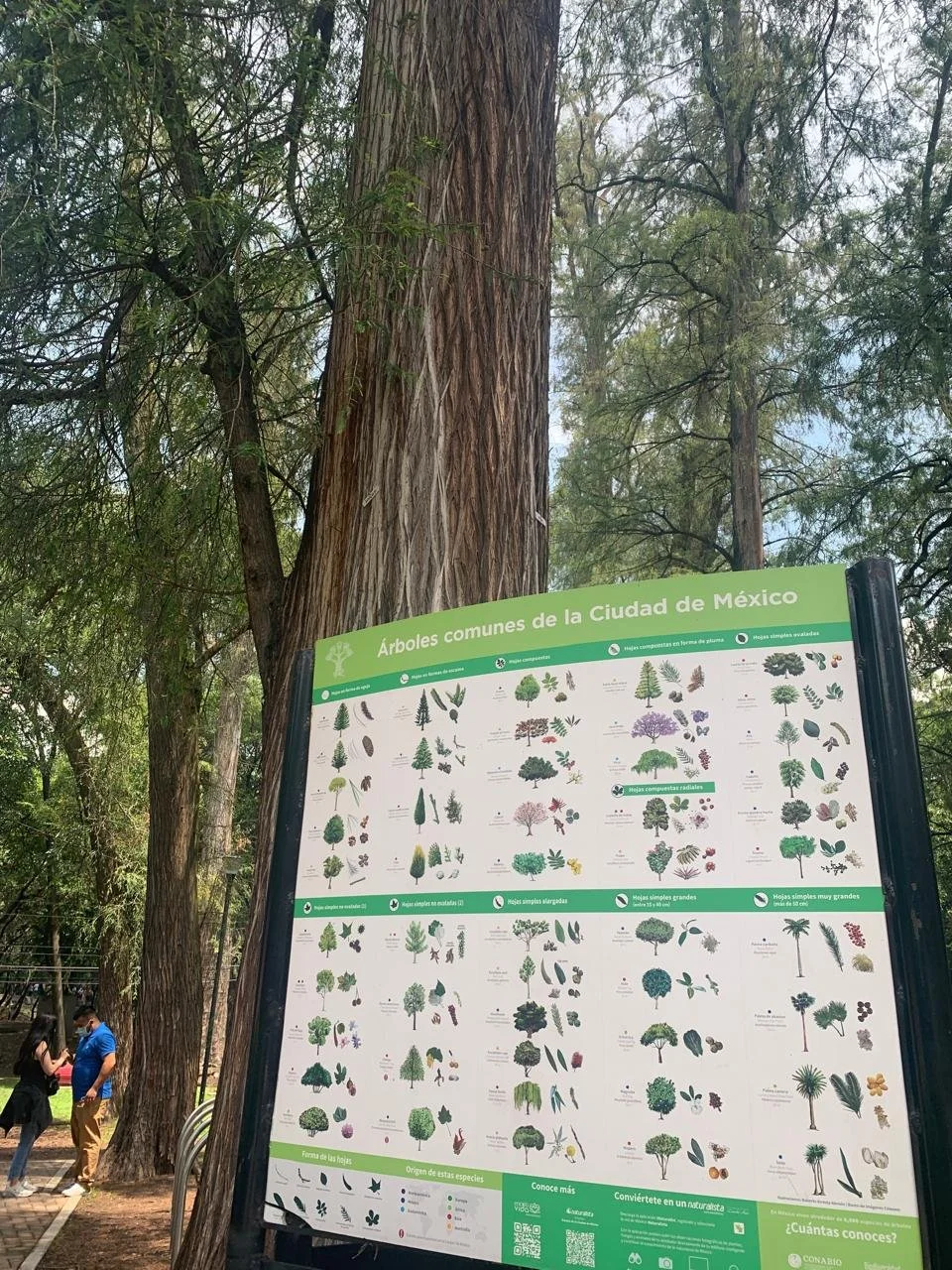
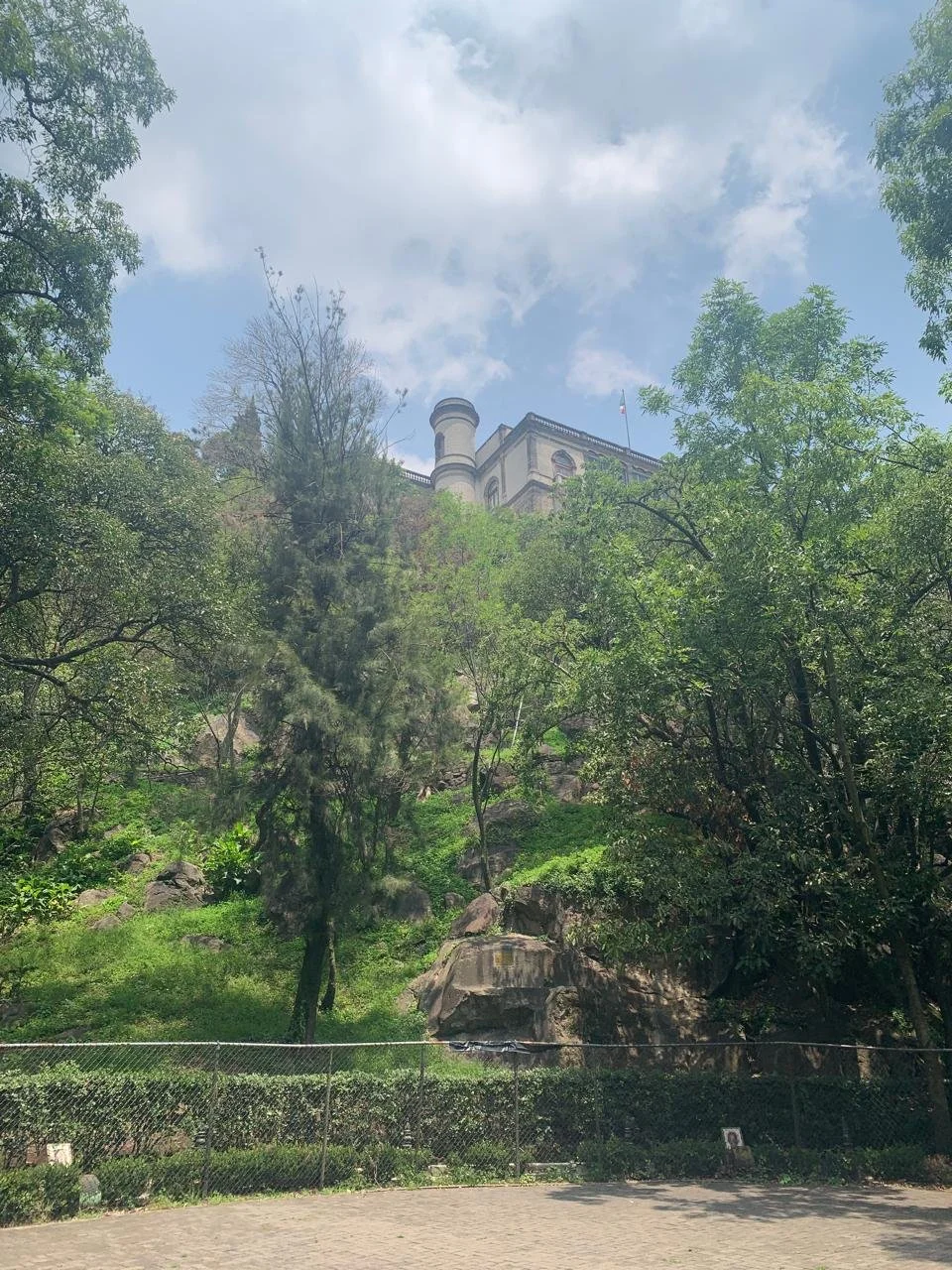
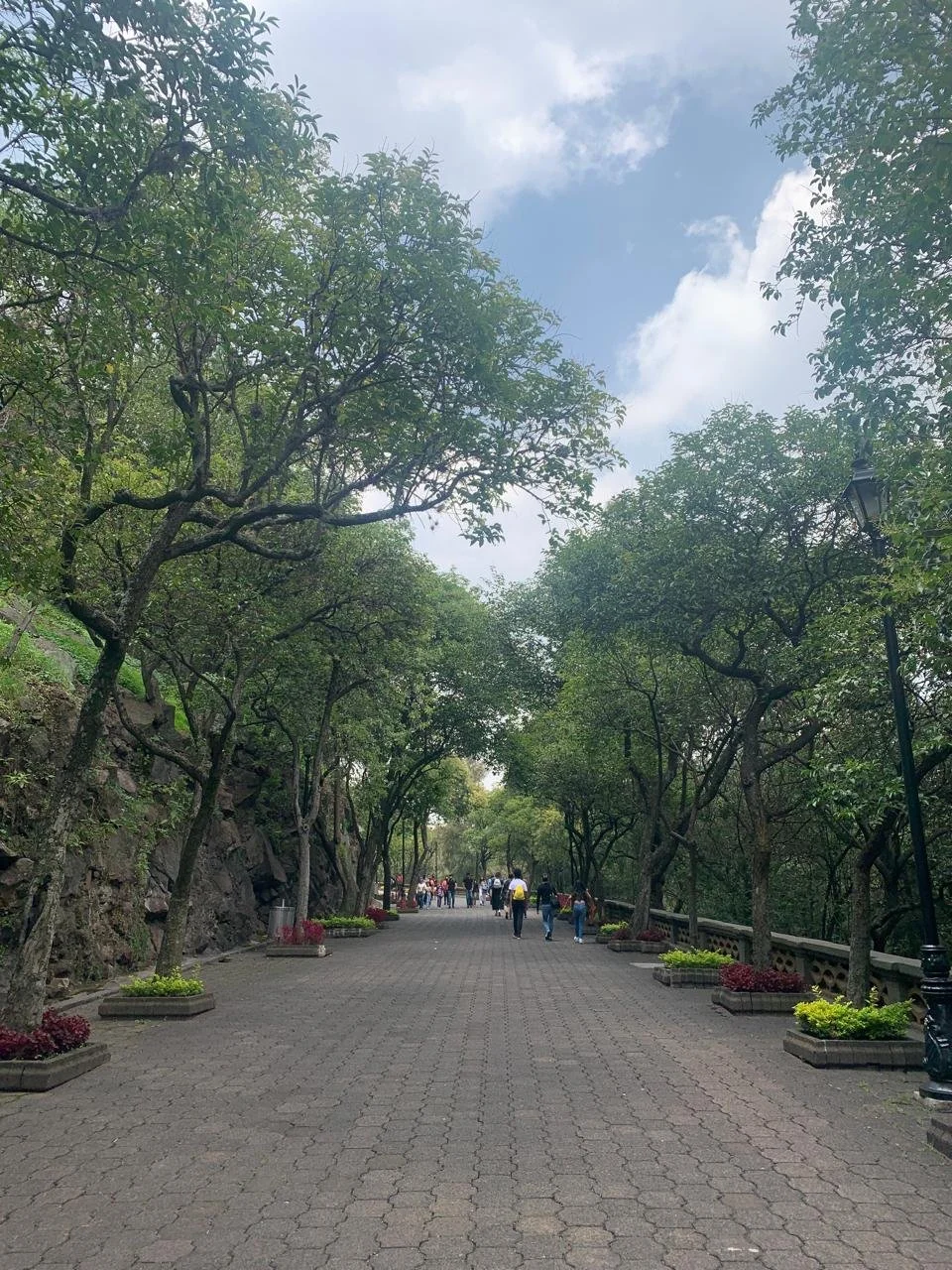
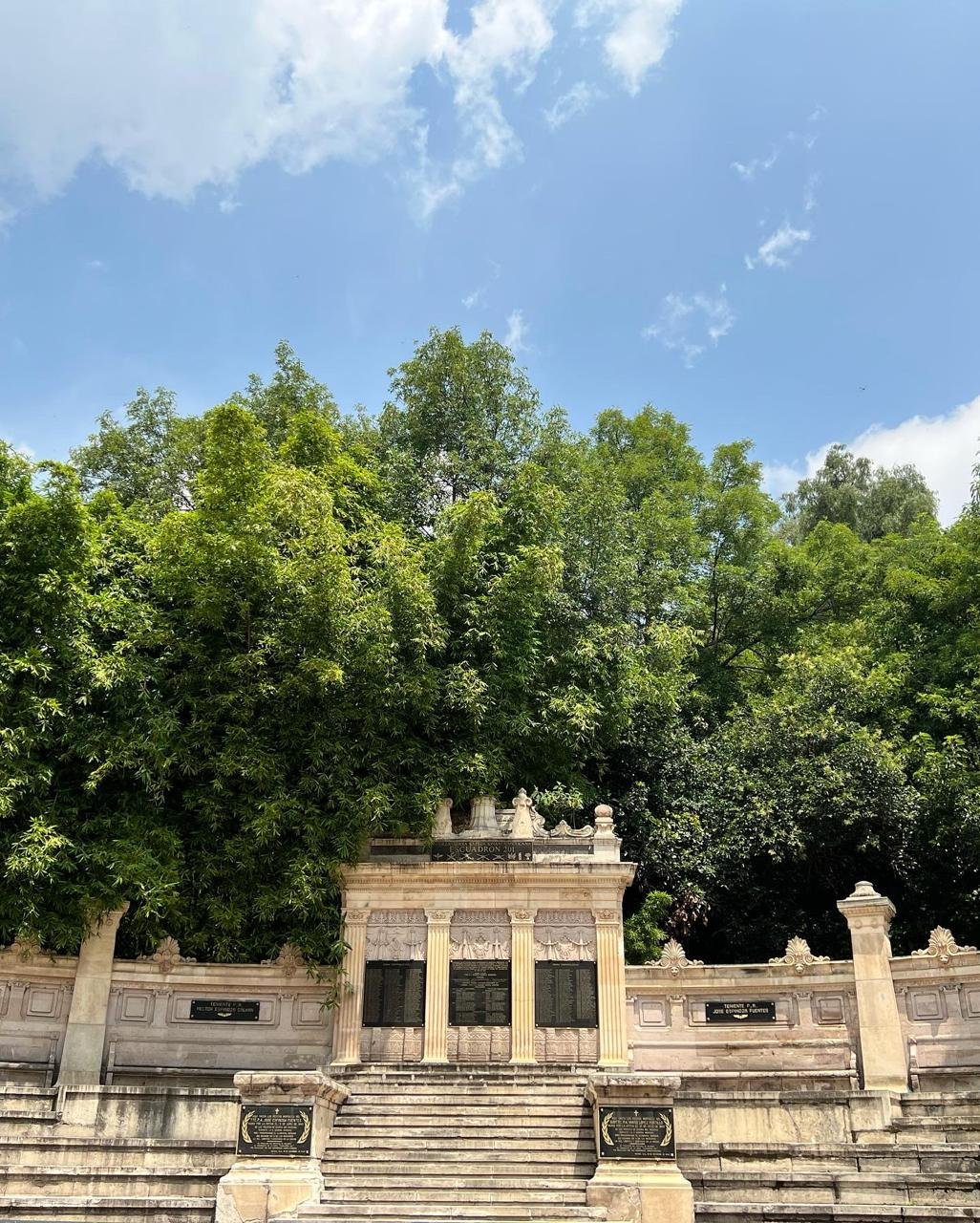
What holds the park together is not hardscape or architecture, but trees. Mature canopies create comfort, orientation, and continuity across the site. They shape microclimates, define rooms, and regulate temperature in ways no constructed element could replicate. This is a useful comparison point. Indonesian cities plant trees extensively, but often without long-term canopy planning or spatial intention. In Chapultepec, trees are clearly treated as structural elements of the park, not secondary landscape layers.
Imperfection as Strength
Chapultepec is not pristine. Some paths are uneven. Some areas feel worn. But that wear tells a story of use rather than neglect. The park feels trusted by its users, and in return, it remains relevant.
What We Took Away
Leaving the park, we were reminded that the most meaningful public landscapes are not those that photograph best, but those that absorb life without losing structure. Chapultepec reinforced several principles we return to in our own work:
Public landscapes should allow overlap, not segregation
Trees are long-term infrastructure, not decoration
Flexibility supports longevity
Visible use is not the same as poor maintenance
Walking through Chapultepec was not about seeing a park. It was about seeing how a city lives within one.