
Learning from the Trees: CONIFER at the Tree Work Safety Workshop, Kebun Raya Bogor
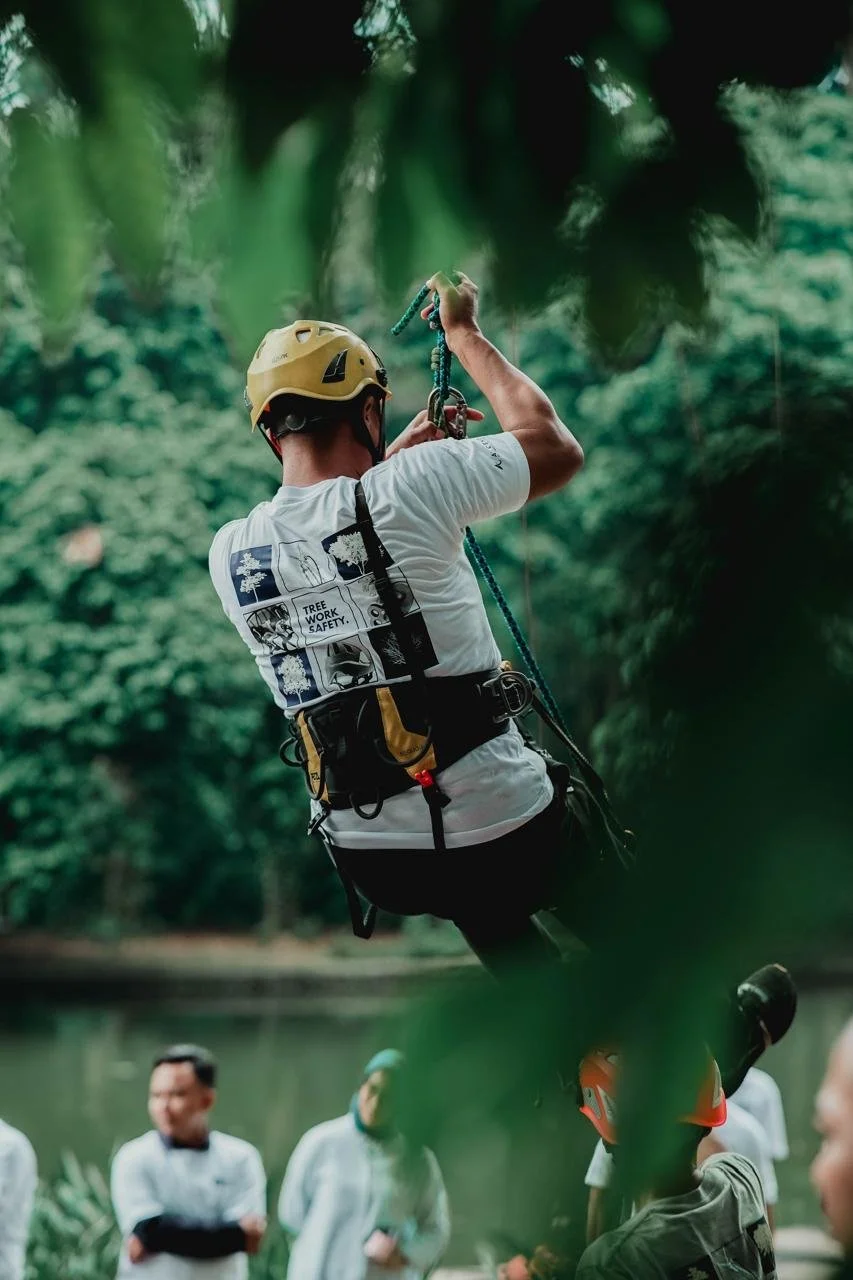
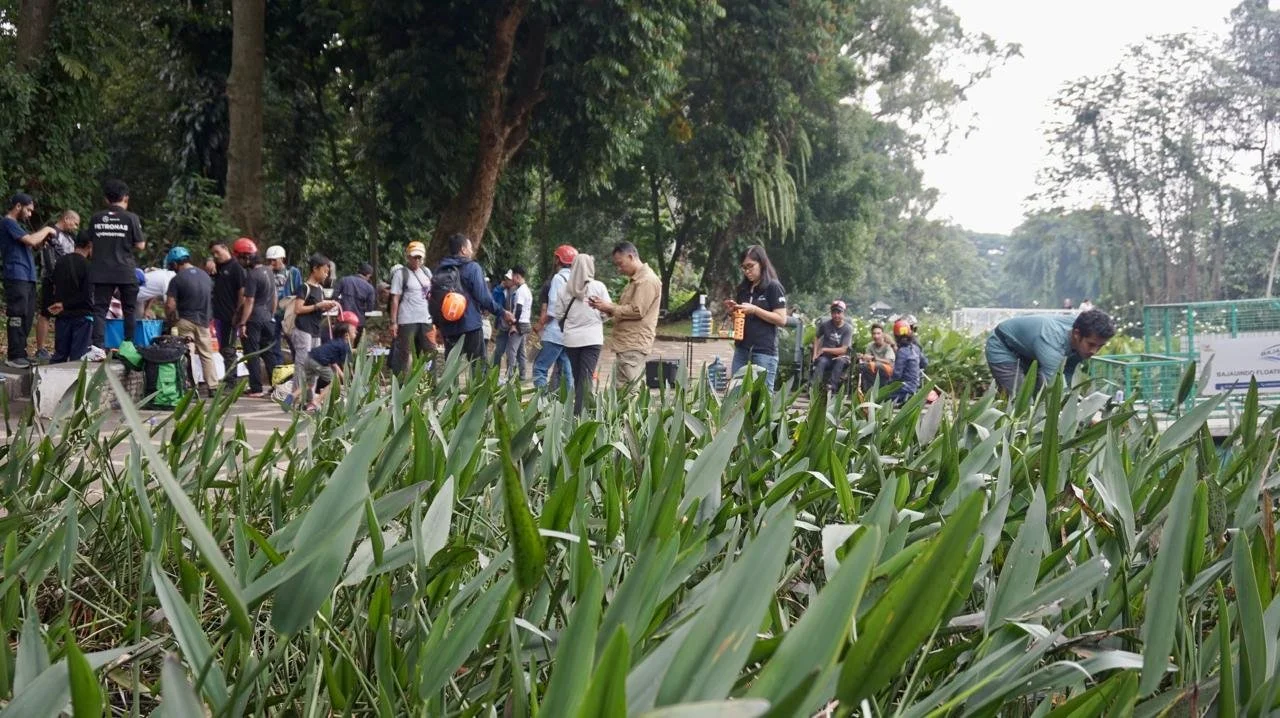
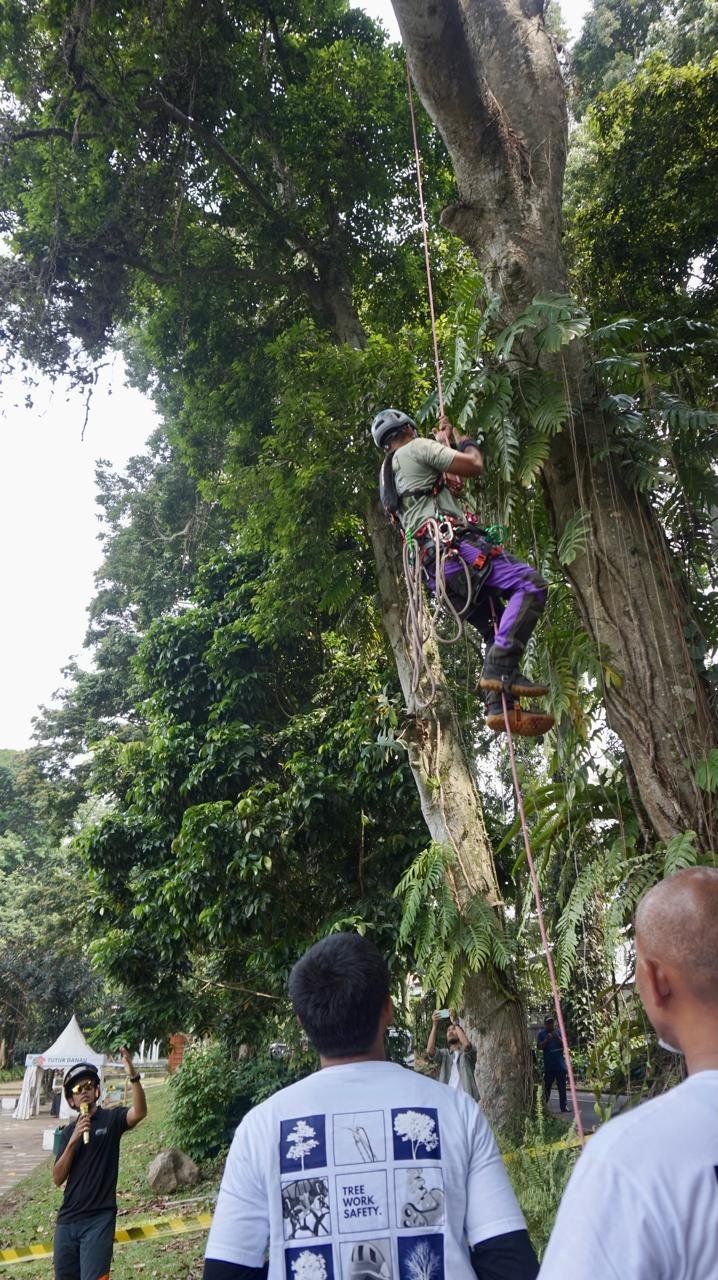
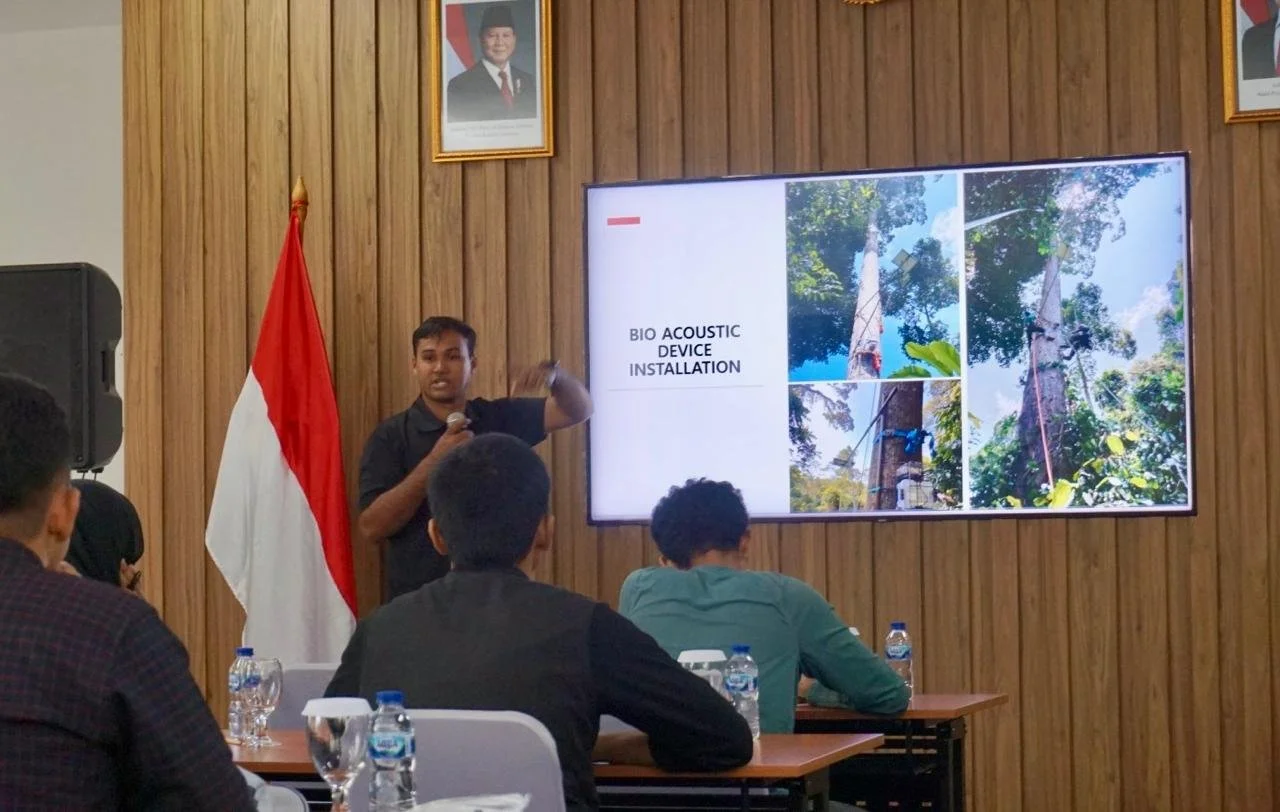
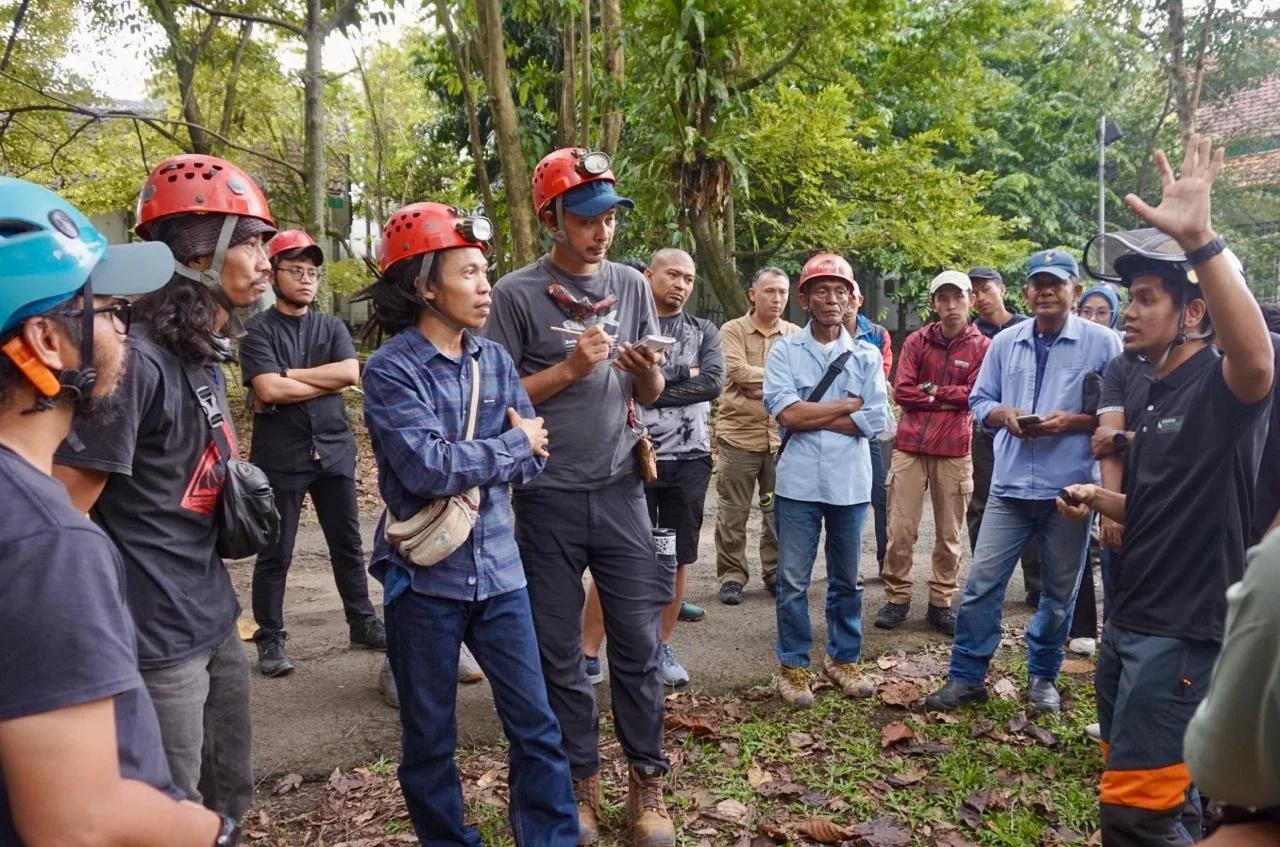
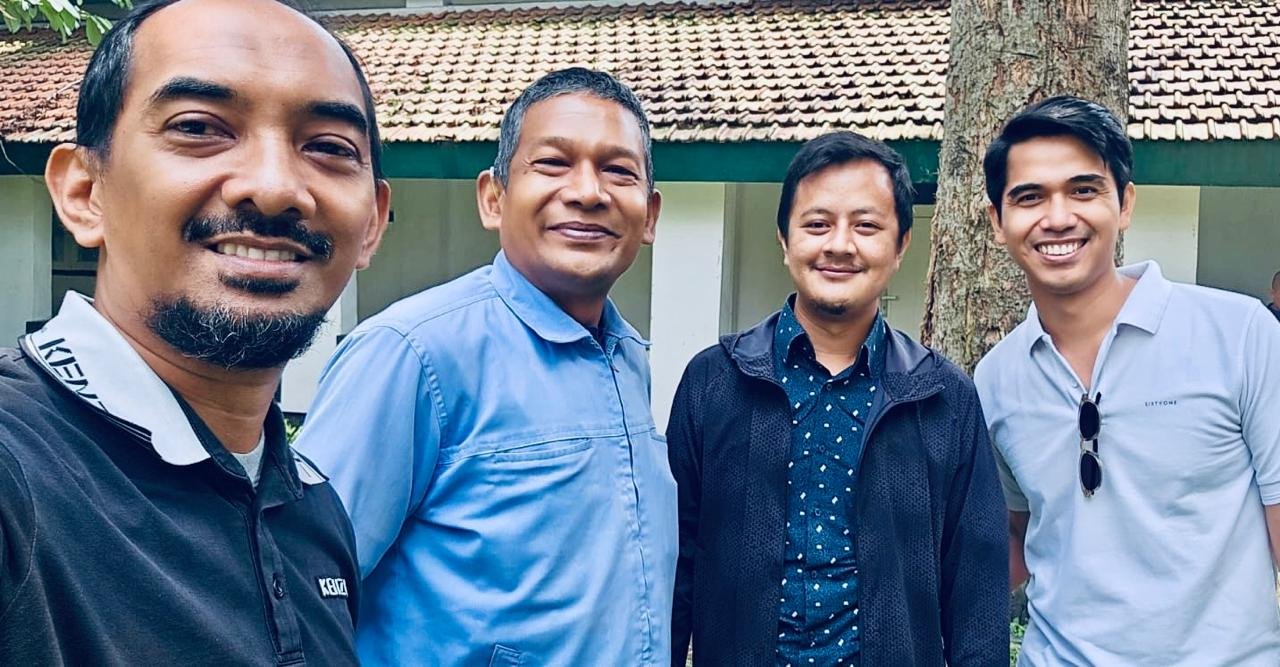
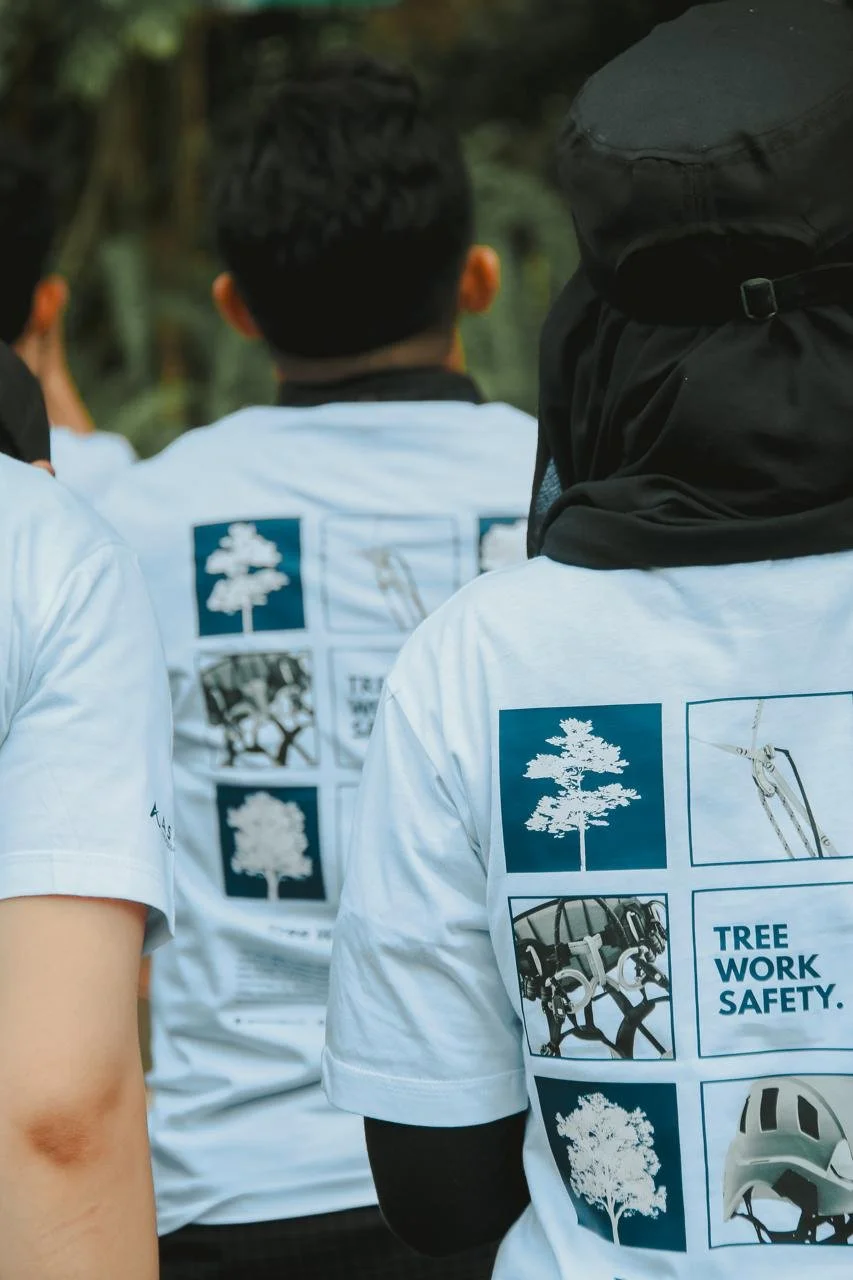
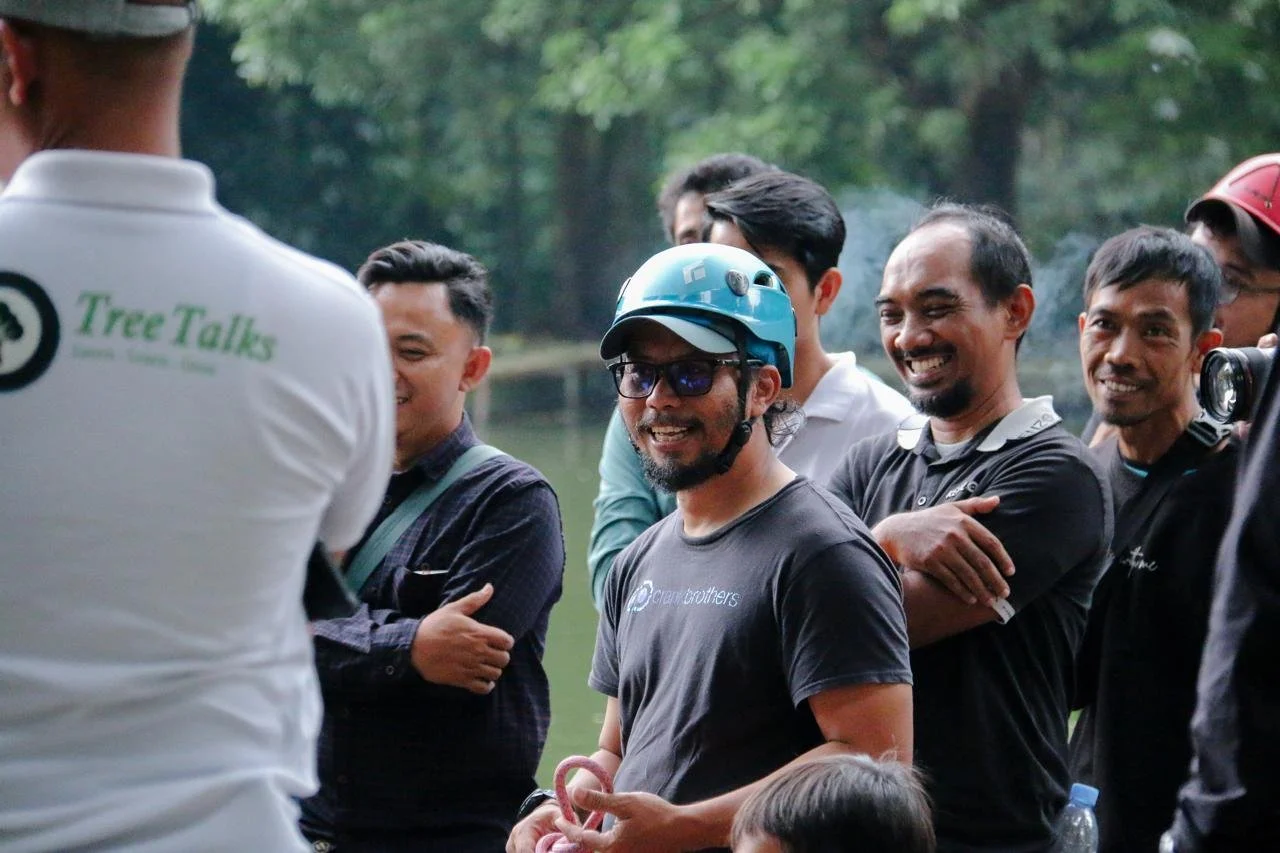
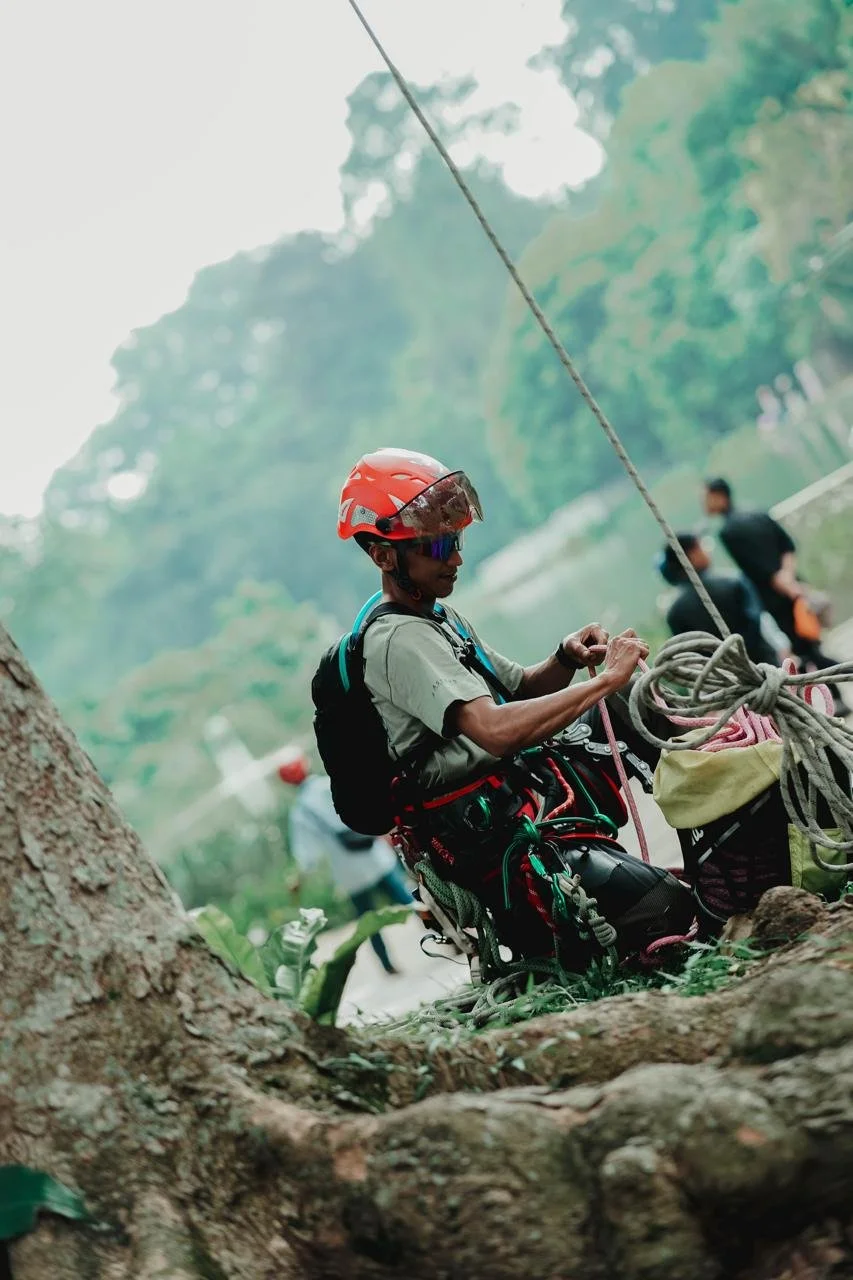
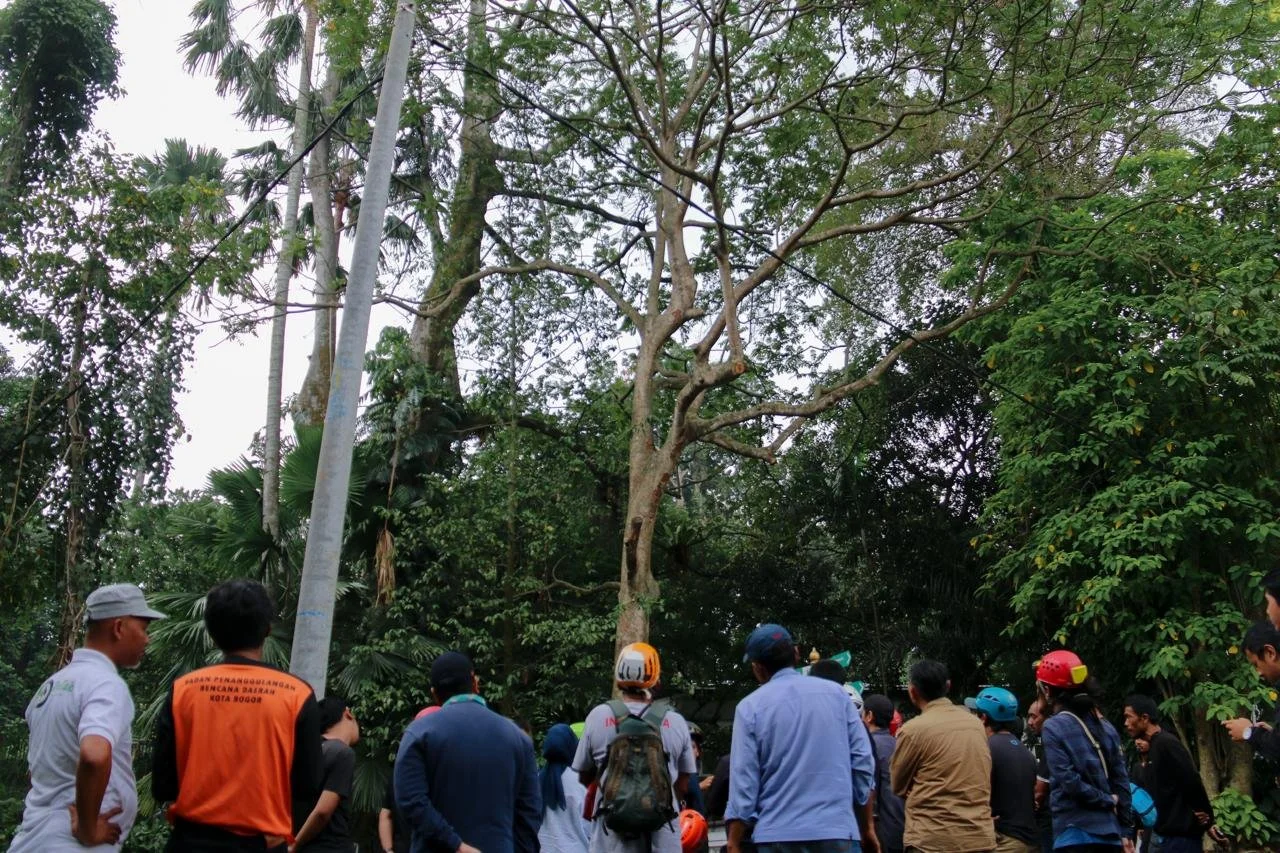
CONIFER participated in a Tree Safety Workshop at Kebun Raya Bogor on September 16, 2025. Kebun Raya Bogor (Bogor Botanical Garden) is one of Indonesia’s most significant living collections of mature and heritage trees. The workshop was organized by Ascend and led by professional arborists from Malaysia, bringing regional expertise into a local ecological context. The setting itself was instructive. Kebun Raya Bogor is not a controlled training environment. It is an active public landscape with aging trees, heavy foot traffic, and real risk conditions. Learning took place directly within those realities.
Tree Safety as Professional Responsibility
The workshop focused on practical methods of tree risk assessment, structural observation, and decision-making around intervention. Rather than treating trees as static landscape elements, the sessions emphasized their biological complexity and long-term change. Participants examined trunk defects, root plate conditions, canopy structure, and signs of stress or decay. The discussion consistently returned to one principle. Tree safety is not about removal. It is about understanding when to intervene, when to monitor, and when to allow natural processes to continue. For landscape architects, this reframes responsibility. Design does not end at planting. It extends into stewardship, risk management, and public safety over time.
Seeing Trees as Living Infrastructure
Working alongside arborists highlighted the gap that often exists between design intent and long-term maintenance realities. Mature trees shape microclimate, define space, and anchor identity, but they also require informed management as they age. The workshop reinforced the idea that trees function as living infrastructure. Their failure carries real consequences, but so does their unnecessary removal. Balanced judgment depends on knowledge, observation, and collaboration across disciplines.
Why This Matters in Indonesia
In Indonesia, mature trees in public spaces are often caught between two extremes. They are either preserved without sufficient assessment, or removed preemptively due to safety concerns. Both approaches carry risk. The workshop at Kebun Raya Bogor demonstrated a more precise middle ground. Technical assessment, guided by arboricultural expertise, allows landscapes to remain safe without sacrificing canopy, heritage, or ecological value. This is particularly relevant in tropical climates, where growth is rapid, weather events are intense, and public landscapes are heavily used.
What This Adds to Our Practice
Participation in the Tree Safety Workshop strengthened several principles that continue to shape our approach:
Tree safety is a design consideration, not only a maintenance issue
Collaboration with arborists improves long-term landscape outcomes
Mature trees require informed stewardship, not default removal
Public safety and ecological value must be addressed together
Learning directly in the field, alongside experienced arborists, reinforced the importance of grounding design decisions in biological understanding and real-world conditions.
Moving Forward
Workshops like this extend practice beyond the drawing set. They sharpen judgment, clarify responsibility, and strengthen collaboration between designers and specialists. For Us, engaging in applied learning at Kebun Raya Bogor is part of an ongoing commitment to landscape architecture that is technically informed, ecologically grounded, and accountable over time.